
Based in Leesburg, VA
4.6 from 282 Google reviewsSump Pump Installation in Leesburg
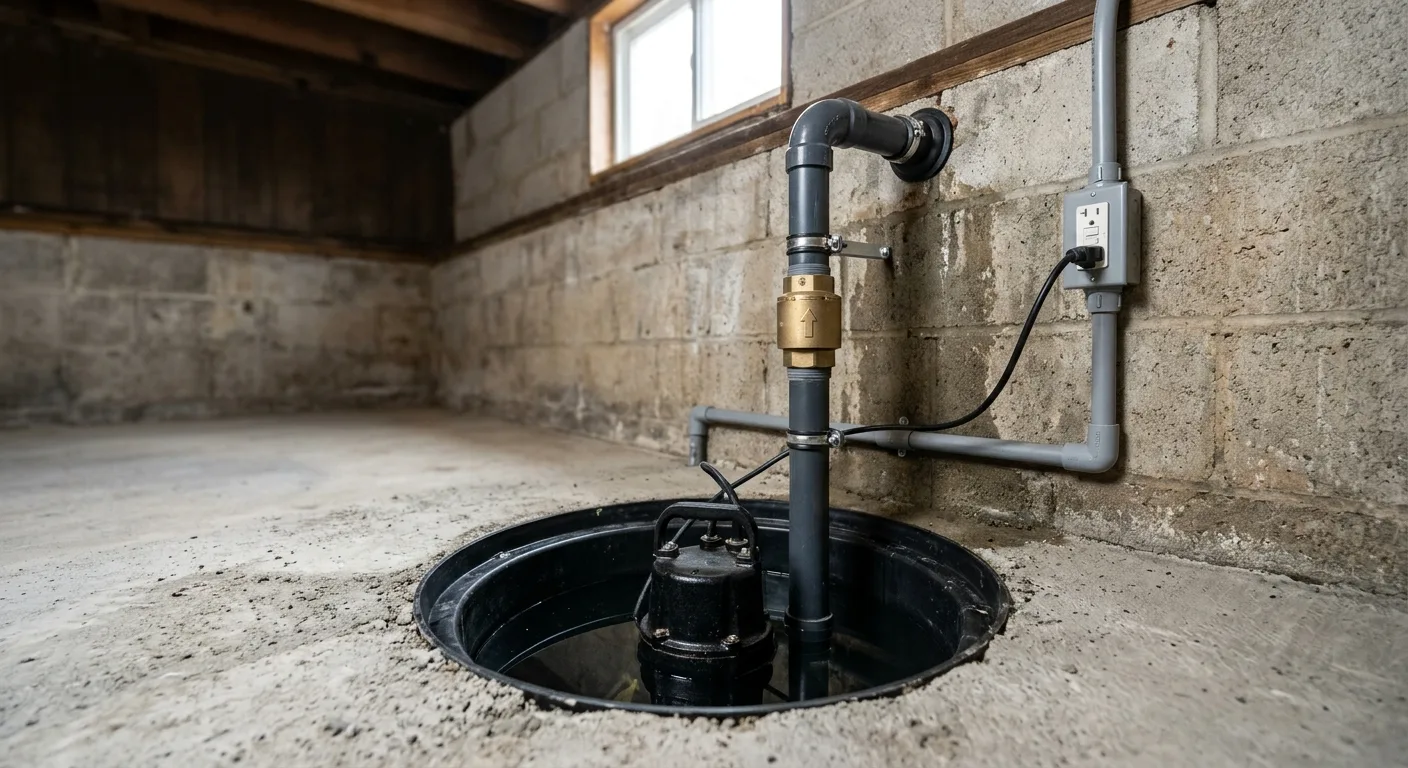
Sump Pump Installation in Leesburg, VA: primary pumps, battery backup systems, and full pit installation by licensed Loudoun County plumbers.
Call or text (240) 969-4911Request an estimate
Tell us what you need
Leesburg Sump Pump Installation Done Right
Brick Street Plumbing Heat & Air handles sump pump installation in Leesburg and across Loudoun County, and we do it the way it should be done: proper pit depth, a dedicated circuit, a check valve, and a discharge line routed to actually drain away from the foundation. If your basement has ever taken on water during a spring storm, or if you're in a newer Loudoun County subdivision sitting over clay-heavy soil that drains slowly, a correctly installed sump pump isn't optional. Call (240) 969-4911 to schedule an assessment.
What drives the cost of sump pump installation is the condition of the existing pit (or whether there is one at all), the discharge line routing distance and frost protection requirements, whether a dedicated electrical circuit needs to be pulled, and whether you want a battery backup system added alongside the primary pump. Those factors together can push a job anywhere from a straightforward primary-only install to a full system build-out with backup protection. We don't quote blind over the phone for installation work because the wrong pump size for a given water table and soil percolation rate is money wasted. Every job is different, contact Brick Street Plumbing Heat & Air for an accurate estimate.
What a Proper Installation Actually Covers
Most failed sump pumps were installed without one of these five elements.
Pit Sizing and Depth
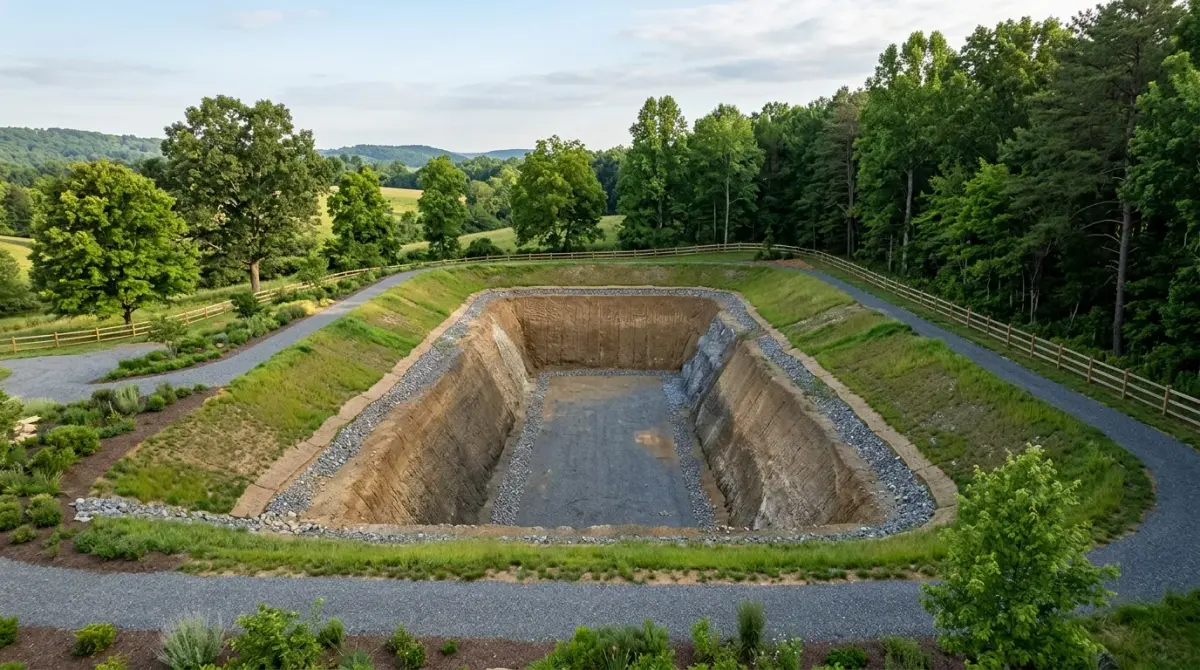
Loudoun County soil holds water differently than sandier regions. We assess your water table, soil percolation rate, and basement footprint before selecting pit dimensions. An undersized pit cycles the pump too frequently and burns out the motor inside a year or two.
Submersible vs. Pedestal Pump
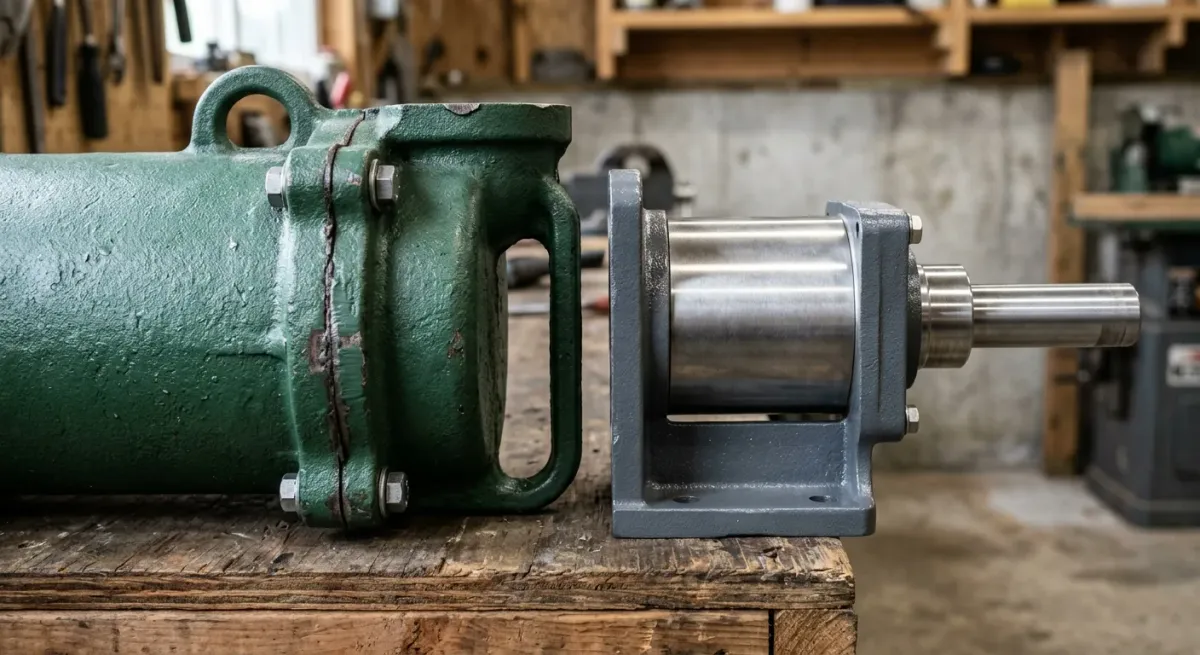
Submersible pumps sit inside the pit, run quieter, and handle higher water volumes. Pedestal pumps mount above the pit and are easier to service but noisier and less suited to deep pits. We'll tell you which fits your basement, not which costs more.
Discharge Line and Frost Protection
Leesburg's frost design depth means discharge lines routed too close to grade will freeze in January and February. A frozen discharge line backs water up into the pit and floods the basement the pump was supposed to protect. We spec the line exit point and pitch to prevent that.
Check Valve Installation
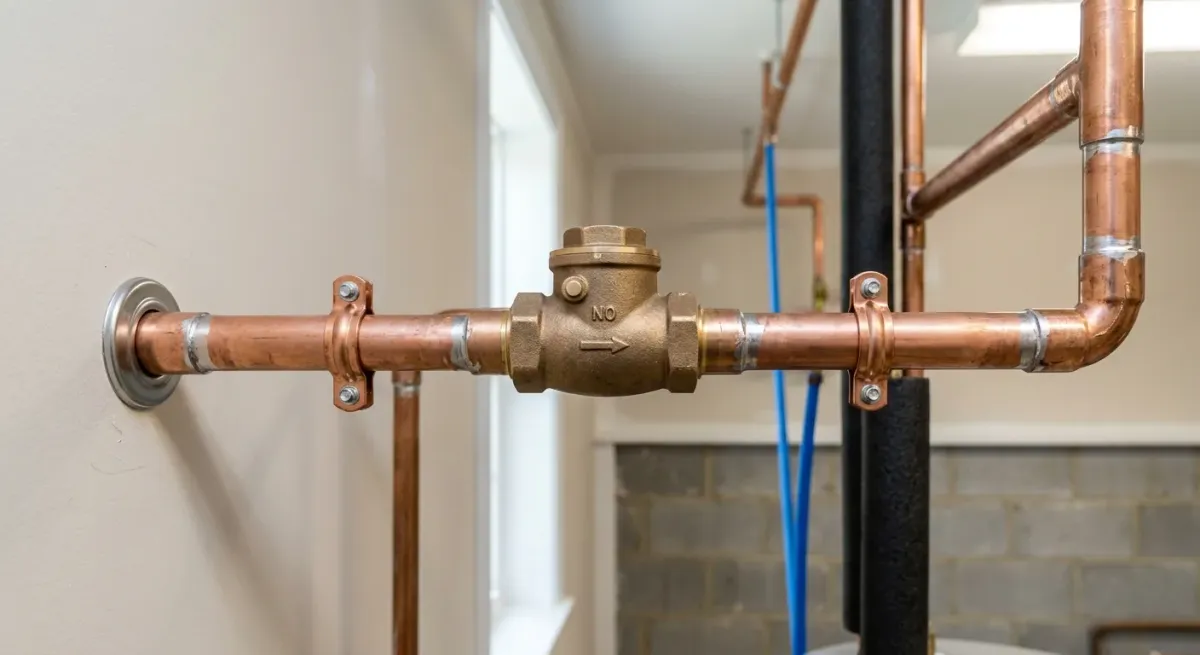
Without a check valve, water drains back into the pit every time the pump shuts off, forcing it to restart immediately. That constant short-cycling kills pumps fast.
Dedicated Electrical Circuit
A sump pump sharing a circuit with other appliances will trip the breaker at the worst possible moment. We install a dedicated circuit so the pump has its own path to power, and it doesn't matter what else is running in the house during a storm.
Battery Backup System
The storms that flood basements are the same storms that knock out power. A battery backup sump pump keeps the system running when the primary loses its circuit. We install and test backup units on every job where a homeowner asks about them.
Our Process
How We Approach Every Installation
Site Assessment First
We check basement drainage patterns, existing pit condition or optimal pit location, soil type, and discharge routing options before we recommend a pump model or size. Skipping this step is how you end up with a pump that runs constantly and still lets water in.
Full System Installation
Pit preparation, pump placement, check valve, discharge line with proper slope and exit point, and dedicated circuit if needed. We don't outsource the electrical work. It's part of the install, and both pieces need to be done correctly for the system to hold up.
Test, Walk-Through, and Leave It Clean
We test the float switch manually before we close anything up, confirm the discharge line is flowing clear of the foundation, and walk you through what to check between service visits. You'll know how to test it yourself before we leave.
Why It Matters
Loudoun County Basements and Water Intrusion
Six Things Worth Knowing Before You Install
Straight answers to what most homeowners ask before committing to a sump pump system.
Testing your pump before storm season
Pour a bucket of water slowly into the pit until the float rises and triggers the pump. If it doesn't kick on, you have a problem to solve in dry weather rather than a flooded basement to deal with later. Do this every spring.
Discharge line freeze risk in winter
Discharge lines that terminate above grade without a freeze-protected outlet will ice over. When that happens, water backs up into the pit and the pump runs continuously until it burns out. We route discharge lines to exit below frost depth or use a freeze-protected outlet.
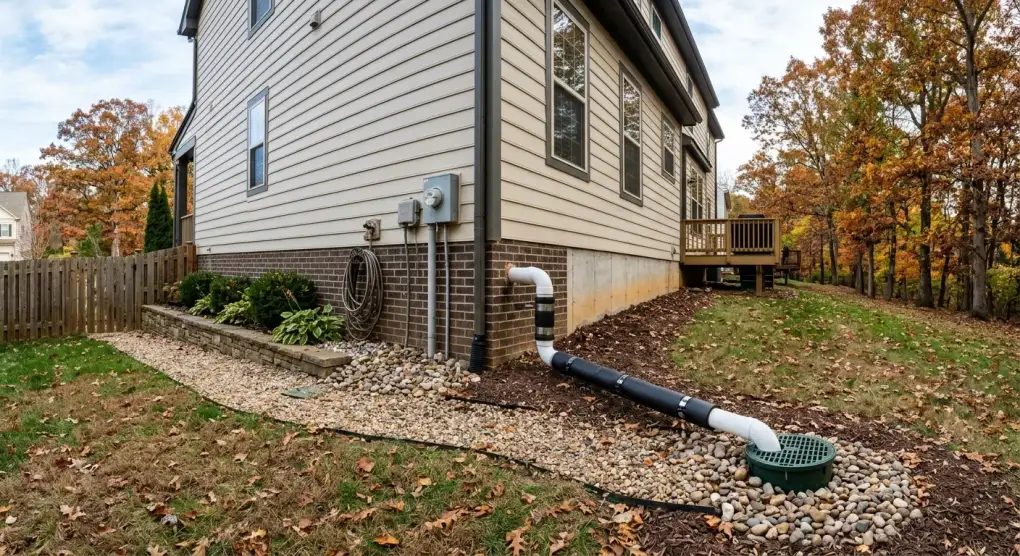
Sump pump vs. full drainage system
A sump pump removes groundwater that enters the pit. A full interior drainage system collects water that enters through walls and channels it to the pit. If your basement has wall seepage rather than floor entry, a pump alone won't solve it.
Pit depth for Leesburg soil conditions
Standard pit depth runs 18 to 24 inches, but clay-heavy Loudoun County soil retains water longer and can justify a deeper pit with higher capacity. We measure before we dig.
Pump sizing by water table and square footage
Pump horsepower is matched to the volume of water the pit needs to move per hour. An undersized pump runs constantly. An oversized one short-cycles. Neither lasts. We size based on your actual conditions, not a catalog default.
How often to service a sump pump
Test the float switch and check valve annually. Inspect the discharge line for obstructions or freeze damage each spring. Replace the battery in a backup unit every two to three years. Most pump failures we see were preventable with a 15-minute annual check.
What Brick Street Brings to This Job
282 Google reviews averaging 4.6 stars. Licensed plumbing professionals serving Leesburg and Loudoun County.
- Licensed plumbing and HVAC professionals
- Certified and dual-certified technicians on every job
- 24/7 availability, no overtime fees
- Emergency call at 2am costs the same rate as a scheduled visit
- Discharge line and electrical work handled in-house
- We don't sub out the circuit install or the drainage routing
- Full system test before we leave
- Float switch, check valve, and discharge flow confirmed on every install
Sump Pump Installation Questions
How do I know if my sump pump will actually work when I need it?
Why does my sump pump discharge line freeze in winter?
How deep should a sump pit be in Leesburg?
What size sump pump do I need for my basement?
What's the difference between a sump pump and a basement drainage system?
How often should I test or maintain my sump pump?
Do I need a battery backup sump pump in Leesburg?
Sump Pump Installation Across Loudoun County
We install and service sump pump systems throughout Leesburg and the surrounding Loudoun County area.
Ready to Protect Your Basement?
- Call Brick Street for sump pump installation in Leesburg
- 24/7 availability, no overtime fees
Call (240) 969-4911 to schedule a site assessment. We'll check your water table, existing pit condition, and discharge routing options before recommending anything. No pressure, no upsell on equipment you don't need.
Tell us about the job
Your name, your number and what needs doing. A person from Brick Street Plumbing Heat & Air gets back to you.
- Send the basicsYour name, your number and what needs doing. Three fields, about a minute.
- A person gets back to youSomeone from Brick Street calls or texts you within one business day.
- We book a time that suits youYou get a time that fits your day, and no obligation until you say go.
Request an estimate
Takes about a minute